



What Is Brass Used For? Common and Specialized Applications
Comments Off on What Is Brass Used For? Common and Specialized Applications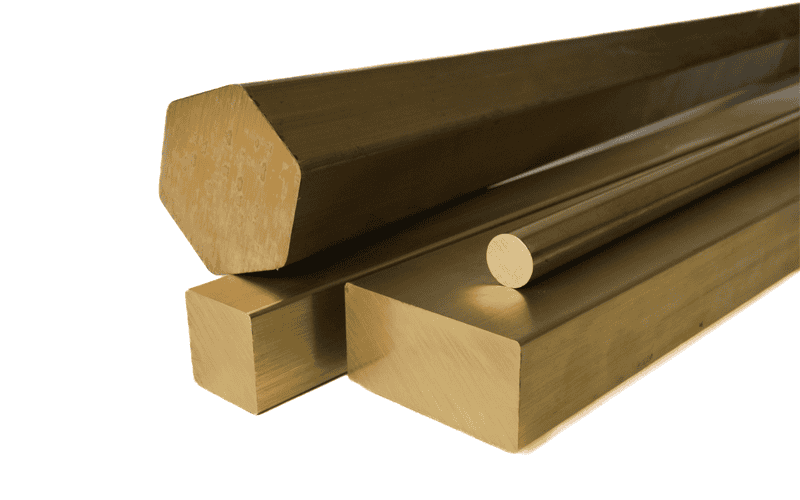
Brass is made primarily of copper and zinc and is valued for its strength and appearance. Its unique balance of mechanical and physical properties makes it a top choice for demanding and specialized projects, including marine applications, plumbing, architectural design, and musical instruments.
This guide will explore the uses of brass alloys and what makes it a preferred material for a wide range of manufacturing needs. By understanding brass’s versatility, professionals can make smarter choices when selecting materials for tough, high-performing applications.
What Is Brass Used For?
Brass combines the strength needed for performance, conductivity for reliability, and beauty for design appeal. Common ways brass is utilized include:
- Plumbing and heating fixtures. Brass fittings, faucets, and valves are durable, corrosion-resistant, and easy to machine.
- Electrical components. Brass’s conductivity and strength make it ideal for terminals, connectors, and switches.
- Ammunition casings. Brass can be used in the manufacture of ammo casings.
- Marine hardware. Naval brass holds up in harsh seawater conditions, making it essential for parts like propellers, shafts, and fasteners.
- Architectural hardware. From handles and hinges to locks and nameplates, brass delivers a blend of strength and aesthetics.
- Antimicrobial surfaces. Brass naturally limits bacterial growth, making it ideal for doorknobs, railings, and equipment in healthcare environments.
Why Brass Is a Preferred Material in Manufacturing
Brass is tough enough to perform under pressure, but practical enough to machine, maintain, and recycle with ease. That’s why it is an ideal go-to material for so many industries. Its benefits include:
- Formability. Easy to cut, shape, and fabricate into complex parts.
- Corrosion resistance. Reliable even in moisture-heavy or chemically harsh environments.
- Electrical conductivity. Essential for electronic systems and heat exchange applications.
- Non-sparking properties. A safer option for use in explosive or flammable environments.
- Aesthetic appeal. Naturally attractive and finishing beautifully for decorative or luxury items.
Popular Brass Grades for Various Applications
Different brass grades can be used based on strength, ease of machinability, corrosion resistance, or other project needs. Popular options include the following:
- C260 (Cartridge Brass). Excellent for deep drawing and forming. Common in ammunition, hardware, and industrial components.
- C360 (Free-Cutting Brass). Known for its unmatched machinability. Often used in fittings, fasteners, and valves.
- C464 (Naval Brass). Enhanced with tin to withstand seawater environments, it’s ideal for use in ship fittings and hardware.
- C230 (Red Brass). High copper content provides superior corrosion resistance, often used in plumbing and architectural designs.
- C693 (Eco Brass/Lead-Free Brass). A lead-free alloy designed for potable water systems, combining strength and corrosion resistance.
Explore Quality Brass Solutions with Sequoia Brass & Copper
Brass proves its worth in everything from plumbing and electrical to marine gear, offering a winning combination of durability, reliability, and timeless appeal. At Sequoia Brass & Copper, we offer high-quality brass alloys, along with the expertise you need to choose the right material for your application.
Ready to explore high-quality brass solutions for your application? Contact Sequoia Brass & Copper today to discuss your needs and request a custom quote. Our team is here to help you find the right alloy, in the right form, for your project.
Brass and Lead: What You Need to Know About Leaded Brass Alloys
Comments Off on Brass and Lead: What You Need to Know About Leaded Brass Alloys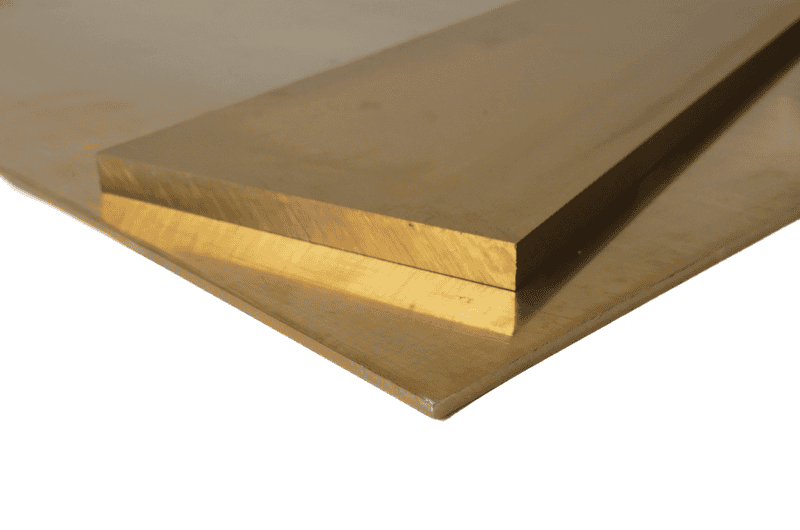
Leaded brass alloys provide high corrosion resistance and strength, which are important in a wide range of applications. However, the addition of lead also allows for enhanced machinability, which is why it’s used in plumbing fixtures, electrical parts, and a range of industrial components.
At Sequoia Brass & Copper, we have decades of experience supplying customers with the right alloy for their application. Below, learn why lead is added to brass and what makes the resulting alloys a reliable choice for demanding applications.
Why Is Lead Added to Brass?
Leaded brass alloys are easier to drill, cut, and mill on the shop floor. Thanks to their lead content, the metal breaks into small chips instead of long, stringy shavings when it’s cut or drilled. The addition of lead also reduces friction and heat generation, which can increase the lifespan of tools. In high-volume production, this can add up to significant savings.
Leaded brass alloys also provide a smoother surface finish, making them a suitable option for visible components or hardware where a precise fit is required. They seal up tightly under pressure, which is important in plumbing and other fluid-handling applications. While existing regulations limit the use of brass and lead combinations in potable water systems, these alloys are still widely used in non-potable systems, as well as other industrial applications where machinability and performance are necessary.
Common Leaded Brass Alloys
Sequoia Brass & Copper works with various leaded brass alloys, including the following:
- C34500 (Leaded Brass). A great choice for hardware applications, with its strength and ease of machinability.
- C36000 (Free-Cutting Brass). This alloy contains roughly 2.5–3.7% lead and is considered the standard for machinability. Free-cutting brass is ideal for use in fast, complex machining processes.
- C35300 (High-Leaded Brass). With its higher lead levels, this alloy offers outstanding machinability. It’s commonly used in precision parts requiring tight tolerances.
- C48500 (High-Leaded Naval Brass). Combines lead’s machinability benefits with added corrosion resistance in marine environments.
In addition to the above, we can also provide low-leaded brass alloys, which are frequently used in plumbing fittings. Once you specify the form and alloy you want, our team can help locate the product for your specific application.
Applications of Leaded Brass Alloys
Sequoia Brass & Copper provides leaded brass alloys for projects requiring durability, precision, and strength. Some industries and components where this alloy is often found include:
- Plumbing fittings. Seal tightly and offer strong resistance to corrosion, making them ideal for faucets, valves, and connectors.
- Electrical connectors & terminals. Provide great conductivity and precise machining for electrical applications.
- Industrial valves & fasteners. Can handle pressure, wear, and corrosion in fluid systems.
- Precision machined parts. Used in locks, gears, decorative hardware, and more, delivering consistency and fine finishes.
Trust Sequoia Brass & Copper for Leaded Brass Supply
With decades of experience supplying brass and copper alloys, Sequoia Brass & Copper offers premium-quality leaded brass products in a variety of forms, including sheets, plates, bars, and custom cuts. Our team knows that each industry has its own unique needs, and we’re here to help you when you choose the alloy that’s the best fit. Whether you’re looking for sheet, plate, bar, or custom-cut material, you can count on us to deliver high-quality metals that meet your specifications.
Ready to explore high-quality leaded brass alloys for your application? Contact us and request a quote today.