



What Is Copper Alloy 110? A Closer Look at C110’s Properties
Comments Off on What Is Copper Alloy 110? A Closer Look at C110’s Properties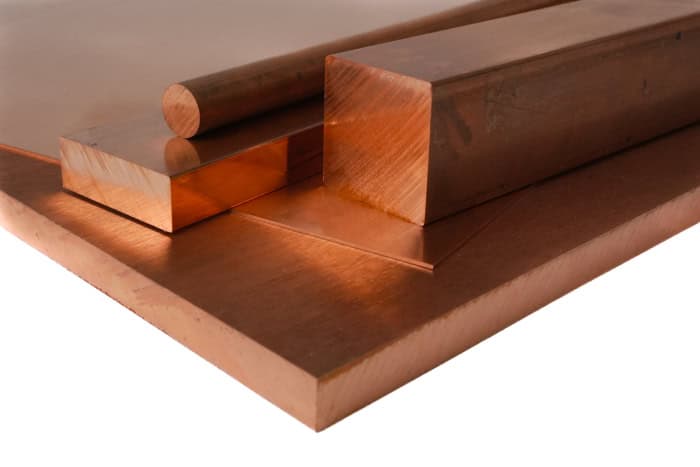
Most metals used in manufacturing and other industrial or consumer applications are alloys of a base metal and other elements. Different alloys have varying proportions of the constituent elements, which can enhance desirable properties and counter less desirable ones for different applications. But in some cases, a more pure form of the base metal with minimal amounts of other elements is more desirable. One example is Copper alloy 110, which is a highly pure form of copper that’s valued for its conductivity, malleability, and corrosion resistance.
Copper alloy 110, sometimes also referred to as UNS C11000, CDA 110 ETP, C110, ISO Cu-ETP, or Electrolytic Tough Pitch, consists of at least 99.9% copper with minimal impurities. This means that there are only negligible amounts of ingredients that have a negative impact on copper’s natural properties. As a result, C110 is often chosen over other copper alloys in applications where electrical or thermal conductivity, ductility and workability, and heat or corrosion resistance are critical.
Learn more about the properties of copper alloy 110 and the benefits of working with the right copper supplier to procure this material in a variety of shapes.
What Are the Key Properties of Copper Alloy 110?
C110 has a number of important properties that allow it to excel in applications that require good conductivity, workability, and corrosion resistance.
Electrical and Thermal Conductivity
One way C110 copper stands apart from other copper alloys is its electrical and thermal conductivity. This alloy has a 101% International Annealed Copper Standard (IACS) rating for electrical conductivity, which means it is more efficient than most other alloys. This makes it an especially useful material for electrical components, connectors, bus bars, and wiring.
In addition, this alloy has a 226 BTU/sq. ft./hr/°F thermal conductivity rating for stable heat transfer and is ideal for use in cooling systems and heat exchangers.
Corrosion Resistance and Durability
C110 copper is highly corrosion resistant, especially when used in a non-oxidizing environment. When exposed to air, this alloy forms a protective oxide layer that helps to prevent or slow gradual wear. As such, this alloy is commonly used in outdoor installations, plumbing systems, and marine applications.
It is also very durable and resists hydrogen embrittlement, making it compatible with environments high in hydrogen content.
Both of these characteristics make copper 110 a long-lasting and reliable material for many demanding applications. Components made with this material generally require less frequent repair or replacement.
Ductility and Malleability
C110 is also very ductile, malleable, and formable. These properties make it easy to work while cold, including bending, stamping, and drawing operations. With an elongation rate of 20% to 50% within two inches, this alloy is suitable for intricate shapes with bends, curves, and similar features.
Recyclability and Environmental Impact
Copper alloy 110 is also a sustainable material and is readily recycled. This helps to cut down on costs and resources associated with sourcing and processing new copper. In fact, recent data indicate that recycling copper consumes only 10% to 15% of the energy required for producing new copper. In turn, this recyclability can lower greenhouse gas emissions by up to 80% to 90%.
Common Applications of C110 Copper
C110 copper alloy’s many desirable properties make it a common choice for many industrial, commercial, architectural, and consumer-facing applications, including:
- Wiring.
- Plumbing hardware.
- Telecommunications systems.
- Electronics.
- Decorative hardware.
- Heat exchange and thermal management components.
Choosing the Right Copper Supplier
To obtain high-quality C110 copper for any application, it’s important to connect with a reliable copper supplier that can supply the grade, quantity, and shapes required for your application.
Primary criteria to look for are suppliers with a history of success working with customers in your industry, and a stellar reputation for service and product quality. Companies with several years or even decades of experience, such as Sequoia Brass & Copper, are often solid choices.
Companies that specialize in copper alloys also bring additional expertise that can be useful when selecting the right materials for an application. Your supplier should be able to answer any questions you have about how different copper alloys and copper-based materials compare, and direct you to the most appropriate option for your requirements.
For example, an experienced supplier will be able to provide clear and detailed answers to questions like the following:
- Does this copper alloy rust or corrode in applications like mine?
- Have others successfully used this copper material previously for similar applications?
- Is this copper sufficiently strong and tough for my needs?
Why Sequoia Brass & Copper Is Your Source for Copper Alloys
Since 1983, Sequoia Brass & Copper (SBC) has been a leading domestic supplier of nonferrous metals including copper, brass, and bronze alloys to customers in many different industries. We provide copper alloy 110 in sheet, plate, rod, and square or rectangular bar shapes, in a variety of lengths. Custom cutting services are also available for specific lengths on request.
Contact us today to discuss the properties and strengths of C110 for your application!